Protect Your Home Like a Firefighter Would
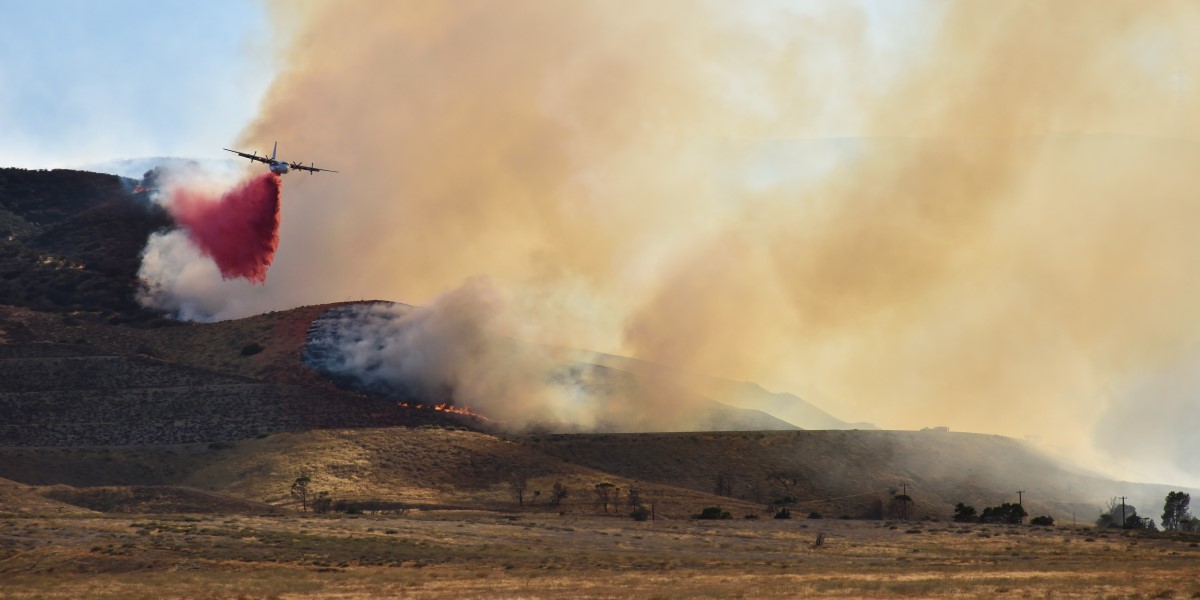
Firefighters doing structure triage during a wildfire aren't guessing. They're looking at a specific, learnable set of things, and homeowners can use the same mental checklist long before a fire ever gets close.
What a Firefighter Looks At First
In the field, the first things assessed are usually access (can a truck get in and turn around), defensible space (is there a buffer of cleared, maintained land around the structure), and the roof (is it a fire-resistant material, and is it clear of debris). Homes that fail these basics are harder to defend, full stop.
Defensible Space, Done Right
The zone immediately around your home, roughly the first five feet, should have no combustible material touching the structure. Further out, thin dead brush and dry vegetation so fire doesn't have a continuous fuel path to your walls.
Seal the Entry Points
Embers get into attics through gaps and unscreened vents well before flames ever arrive. Ember-resistant vent screens and sealed eaves close off one of the most common ways homes actually catch fire.
Professional Coating as an Added Layer
Beyond what you handle yourself, a professional fire-inhibiting coating adds another layer to your home's defenses. FireClear is a Certified CitroTech® Partner, applying an EPA Safer Choice-recognized fire inhibitor. Full product details are on our Safety page. We're an authorized applicator, and our job is doing the assessment and the application correctly for your specific home.
Have a Plan for Yourself, Too
All the home hardening in the world doesn't replace a real evacuation plan. Know your routes, keep a go-bag ready, and don't wait until the last minute to leave if conditions turn.